
Fracture & Trauma Care
in Dumdum
Immediate Care for Bone & Joint Injuries
Home >Treatments > Orthopaedics > Fracture & Trauma Care
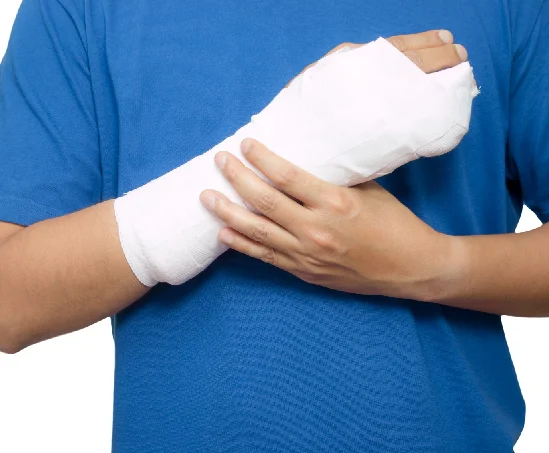
What is Fracture & Trauma Care?
Fracture & trauma care focuses on the quick diagnosis and treatment of broken bones, joint injuries, sprains, dislocations, and accident-related damage. With timely medical attention, proper imaging, and the right treatment plan, patients can heal safely, reduce complications, and return to movement with confidence.
Don’t let sudden injuries slow you down. Visit Phoenix Medical Centre for timely fracture & trauma care and get the right support for safer, stronger recovery.
Right Experts for Faster Healing
Our fracture & trauma care experts focus on timely diagnosis, precise treatment, and guided recovery to help patients heal safely and move with confidence again.

Dr. Kumar Shankar Podder
MD, DM
(Cardiology)
Availability: Tues, Thurs, Sat
Dr. Tapan Kumar Jana
MS, FAIS, FLAGES
(Laparoscopic Surgery)
Availability: Mon, Tues, Thurs, Fri
Dr. Jay Goswami
Critical Care
(Medicine)
Availability: Mon to Sat

Dr. Papiya Khawas
MS
(Gyneae)
Availability: Every Day
Helping Injuries Heal the Right Way
From fractures to joint trauma, every step is planned to manage pain, restore stability, and support confident recovery.
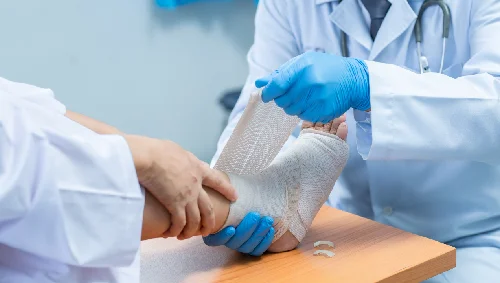
Fracture Management
Careful diagnosis and treatment for broken bones to support proper alignment and healing.

Accident & Injury Care
Timely medical support for injuries caused by road accidents, falls, sports trauma, or workplace incidents.
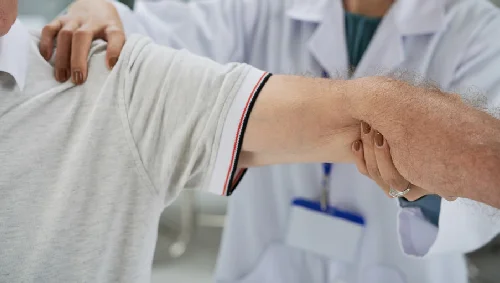
Joint Dislocation Treatment
Prompt care to manage dislocated shoulders, elbows, knees, or other joints safely.
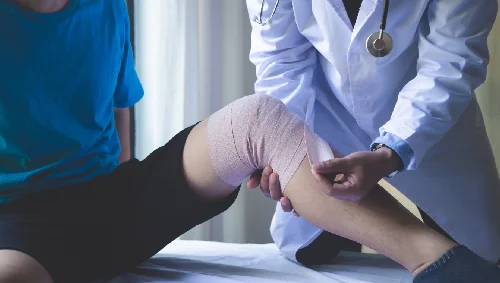
Sprain & Ligament Injury Care
Focused treatment for painful sprains, ligament strain, swelling, and movement restriction.
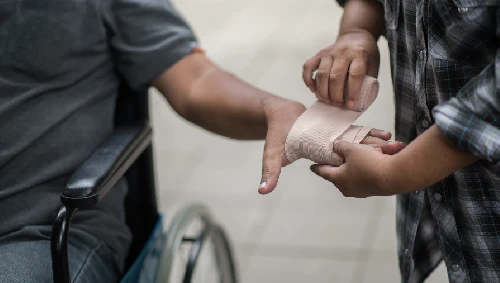
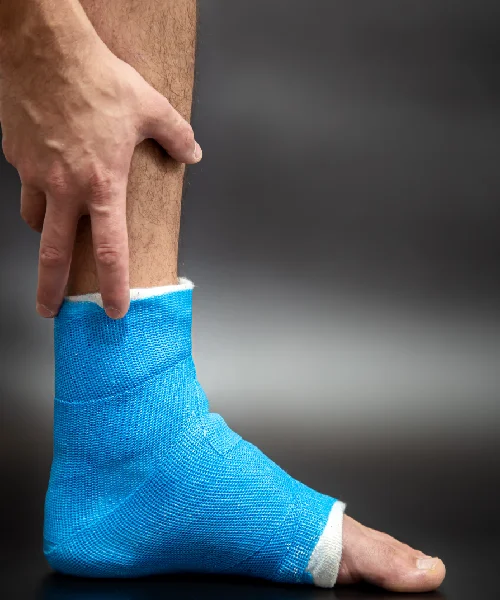
Plaster, Cast & Splint Support
Proper immobilisation to protect injured bones and joints during the healing period.
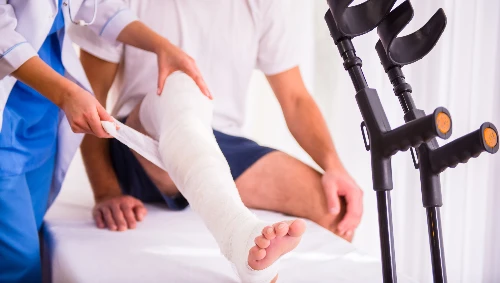
Surgical Fracture Fixation
Advanced surgical care for complex fractures that need plates, screws, rods, or implants.

Pain & Swelling Management
Personalised care to reduce discomfort, inflammation, stiffness, and post-injury movement difficulty.
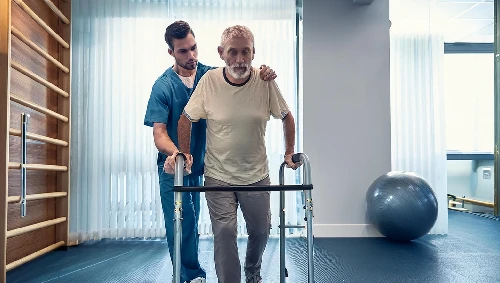
Recovery & Rehabilitation Guidance
Step-by-step support to help patients regain strength, mobility, and daily confidence.
Quick Support for Sudden Bone Injuries
Quick assessment for sudden falls, accidents, and bone injuries
Proper diagnosis with X-ray, scans, and expert evaluation
Treatment planning for fractures, dislocations, sprains, and trauma cases
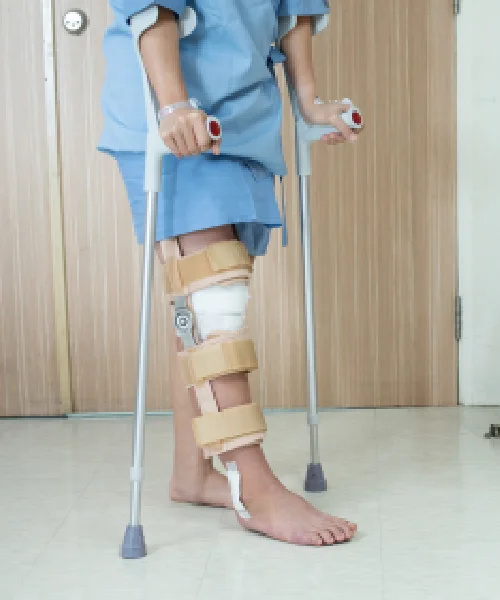
Focused care to reduce pain, swelling, and movement difficulty
Surgical and non-surgical options based on injury severity
Guided recovery support to help patients return to daily life safely
Clear Diagnosis Before Stronger Healing
The right diagnostic tests help doctors understand the type, location, and severity of injury before planning safe fracture or trauma treatment.

X-Ray

CT Scan

MRI Scan

Ultrasound

Blood Tests

Doppler Study

Nerve & Sensation Assessment

Pre-Surgical Fitness Tests
Your Injury Care, Made Simple
A clear treatment journey helps manage pain, protect the injury, and guide recovery with confidence.
Initial Assessment
Doctors examine the injury, pain level, swelling, movement, and overall condition immediately.
Diagnostic Imaging
X-rays, CT scans, or MRI may be advised to understand the injury clearly.
Injury Stabilisation
The affected bone or joint is supported with a splint, cast, or emergency care.
Personalised Treatment Plan
Treatment is planned based on fracture type, trauma severity, age, and recovery needs.
Surgical or Non-Surgical Care
Patients may receive casting, medication, minor procedures, or surgery if required.
Pain & Swelling Control
Medicines, rest, elevation, and care guidance help manage discomfort after injury.
Recovery Monitoring
Follow-up visits help doctors check healing progress and adjust treatment if needed.
Rehabilitation Support
Physiotherapy and movement guidance help restore strength, flexibility, and daily confidence.
Care Backed by Modern Facilities
We bring together modern facilities and patient-focused design to
make healthcare feel simpler, safer, and more comfortable.
Stories of Care, Trust & Recovery
Real experiences from patients who found support, healing, and confidence through our dedicated care.
Kushal Saha

"I have a very good experience with nice behaviour of all hospital stuff and very co operative.
Overall experience is good."
Shramona Bhattacharya
"I underwent an ERCP and later a gall bladder stone operation here. The concerned doctors treated me and operated very well. The in house staffs were nice and Cooperative. Me and my family is decently satisfied."
Arnab Bhattacharya
"Lisa and Piyali are sweet and vety warm, cleaning staff xcellent as no hiccups for all thr jobs they did , kudos to the support from all Drs. And accounts..
If any one needs to be admitted we highly recommend here"
Surajit Paul
"Nice Ambience. In house Staff Behaviour is friendly.
Food Qualities upto the mark.
Cleanliness is very good.
Need improvement in support staff or Cleaning staff behaviour/staff handling."
Better Healing Begins with Better Communication
Fracture and trauma treatment should feel urgent, organised, and transparent, with every step explained before care begins.
Clear explanation of injury type, severity, and treatment options
Diagnostic reports are reviewed before planning the next step
Surgical and non-surgical choices discussed based on patient needs
Transparent guidance on recovery time, follow-ups, and precautions
Safe immobilisation with casts, splints, braces, or support devices
Sterile protocols are followed during procedures and dressing care
Regular monitoring to check healing progress and prevent complications
Patient and family counselling for better comfort and confidence
Book Your Visit in Minutes
Easily schedule appointments with our specialists online without any hassle.
Quick Answers for a Smoother Visit
From appointment doubts to care-related concerns, this section helps you understand the essentials before you take the next step.
When should someone visit a doctor after a fracture or injury?
Medical attention is needed if there is severe pain, swelling, deformity, bleeding, numbness, or difficulty moving the injured area.
Can all fractures heal with a plaster or cast?
Not always. Some fractures heal with casts or splints, while complex or displaced fractures may need surgery.
What is the difference between a sprain and a fracture?
A sprain affects ligaments, while a fracture means a break or crack in the bone. Proper diagnosis helps confirm the condition.
When is fracture surgery required?
Surgery may be needed when bones are displaced, unstable, badly broken, or not likely to heal properly with casting alone.
Can trauma injuries affect nerves or blood vessels?
Yes, serious injuries may affect nearby nerves or blood vessels, causing numbness, weakness, colour change, or poor circulation.