
Paediatrics Treatment
in Dumdum
Helping Children Heal, Grow, and Thrive
Home > Specialities > Paediatrics

What is Paediatrics Treatment?
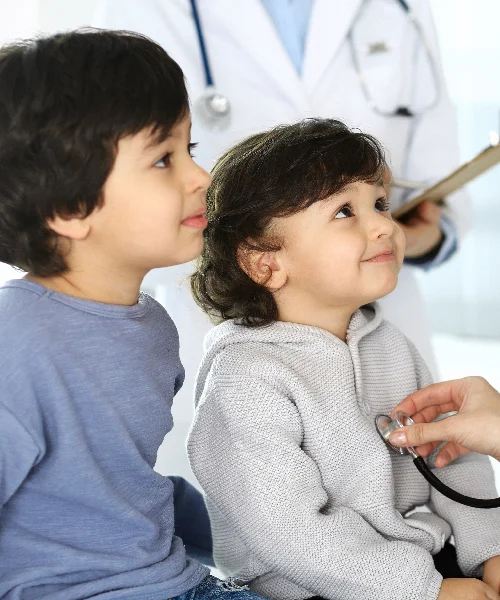
Paediatric treatment focuses on the health, growth, and development of infants, children, and teenagers. It includes diagnosis, treatment, preventive care, and regular monitoring to support a child’s overall well-being. With gentle, child-friendly care, paediatric treatment helps little ones recover safely and grow healthier.
From fever and infections to growth and wellness concerns, Phoenix Medical Centre offers attentive paediatric care for children of all ages. Book your child’s consultation today.
The Doctors' Little Ones Feel Safe With
Our paediatric specialists combine medical expertise with warmth, patience, and care that comforts both children and parents.
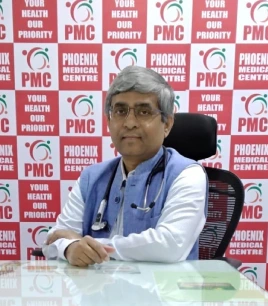
Dr. Kumar Shankar Podder
MD, DM
(Cardiology)
Availability: Tues, Thurs, Sat
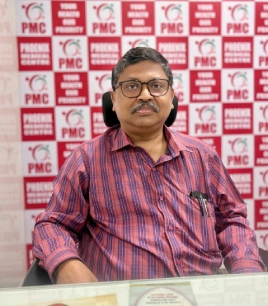
Dr. Tapan Kumar Jana
MS, FAIS, FLAGES
(Laparoscopic Surgery)
Availability: Mon, Tues, Thurs, Fri
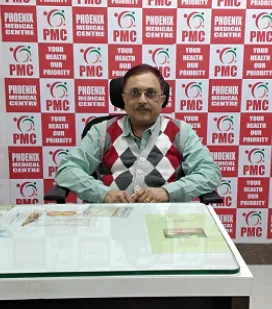
Dr. Jay Goswami
Critical Care
(Medicine)
Availability: Mon to Sat
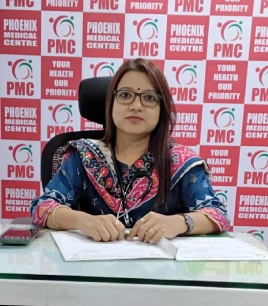
Dr. Papiya Khawas
MS
(Gyneae)
Availability: Every Day
Gentle Care for Every Child
Each child’s health journey is different. Our paediatric care focuses on comfort, quick attention, and the right treatment support for growing children.

Fever, Cold & Seasonal Illnesses
Timely care for fever, cough, cold, flu, and infections that children commonly face.

Newborn & Infant Care
Gentle medical support for newborn feeding, weight, sleep, and early health concerns.
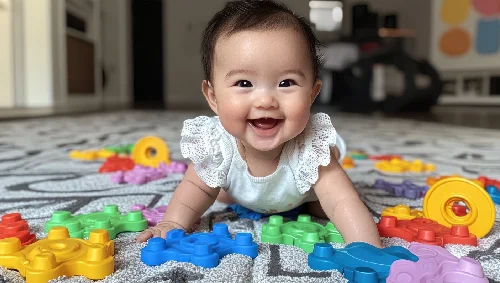
Growth & Milestone Tracking
Regular checks to monitor your child’s height, weight, development, and age-wise progress.
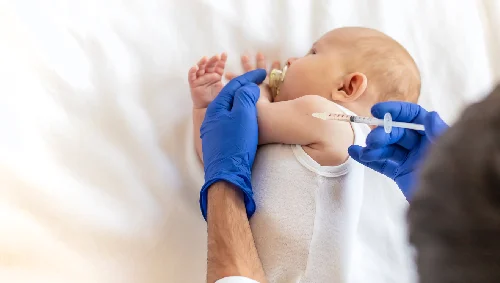
Vaccination & Preventive Care
Proper vaccination guidance to help protect your child from preventable illnesses.
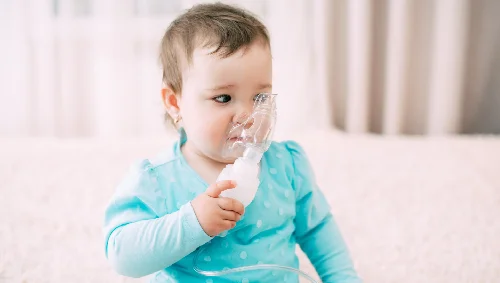
Breathing & Allergy Care
Support for wheezing, asthma-like symptoms, dust allergies, and breathing discomfort.

Stomach & Digestion Issues
Care for stomach pain, vomiting, loose motion, constipation, and poor appetite.
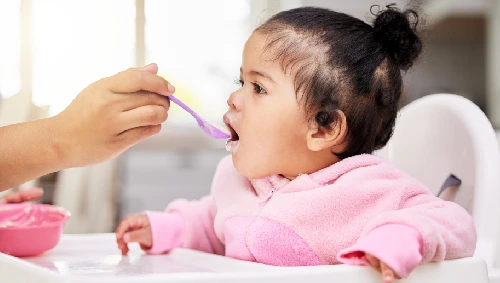
Nutrition & Feeding Support
Guidance for picky eating, low weight gain, food habits, and balanced nutrition.
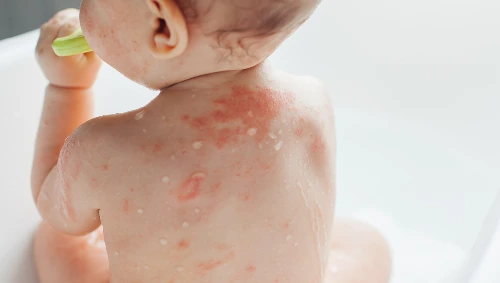
Skin Rashes & Infections
Treatment for childhood rashes, itching, allergies, skin infections, and irritation.
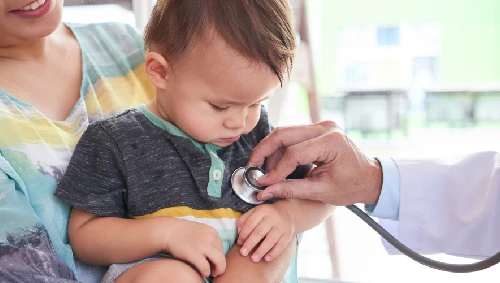
Routine Child Health Check-ups
Regular health reviews to keep your child active, growing, and well-monitored.
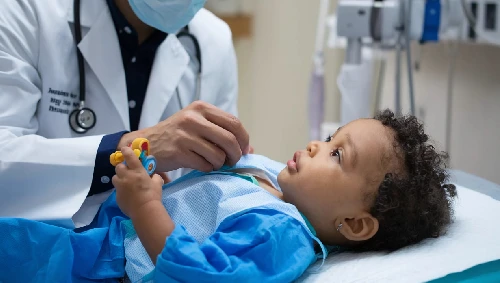
Urgent Paediatric Care
Quick medical attention for sudden fever, injuries, dehydration, and worrying symptoms.
Child-Friendly Care, Parent-Approved Trust
Calm environment and thorough consultation with gentle care
Proper diagnosis for fever, infections, allergies, and common childhood concerns
Growth, nutrition, and development guidance for every age
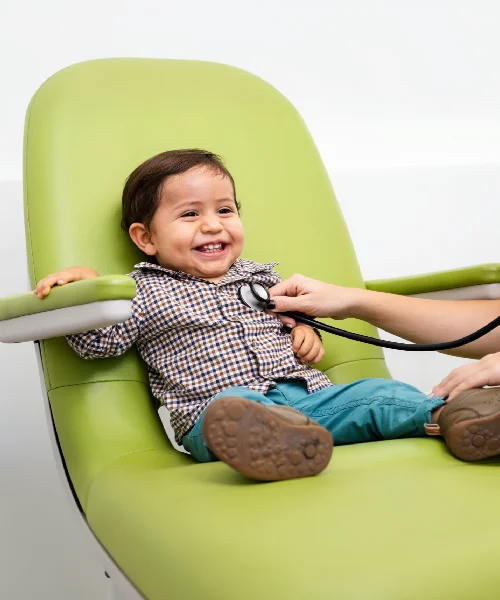
Clear communication with parents about treatment and medicines
Preventive care, vaccination advice, and regular health check-ups
Comfortable environment to help children feel safe during visits
Timely medical support for everyday paediatric health needs
Smart Checks for Little Lives
Children may not always explain what feels wrong. The right diagnostic tests help doctors detect concerns early and plan safer, faster treatment.

Blood Tests

Urine Test

Stool Test

X-ray

Ultrasound

Chest Screening

Allergy Testing

Throat Swab Test

Growth & Development Assessment

Newborn Screening

Vision Screening

Hearing Test
A Care Journey Made Easier for Children
Every step is designed to reduce worry, understand the concern clearly, and help your child receive the right care with comfort.
Listening to Parents First
The doctor begins by understanding the symptoms, concerns, habits, and changes noticed by parents.
Making the Child Comfortable
A calm and gentle approach helps the child feel safe before the examination begins.
Checking the Health Concern
The doctor examines the child carefully to understand the possible cause of the problem.
Suggesting Tests Only When Needed
Diagnostic tests may be advised when symptoms need deeper evaluation or clearer confirmation.
Explaining the Condition Clearly
Parents are guided about the diagnosis, treatment options, and what to expect next.
Starting the Right Treatment
Medicines, care instructions, diet advice, or further support are planned as per the child’s need.
Supporting Recovery at Home
Parents receive simple guidance on rest, food, hygiene, medicines, and warning signs.
Reviewing Progress
Follow-up visits help track recovery and adjust treatment if the child needs continued care.
Care Backed by Modern Facilities
We bring together modern facilities and patient-focused design to
make healthcare feel simpler, safer, and more comfortable.
Stories of Care, Trust & Recovery
Real experiences from patients who found support, healing, and confidence through our dedicated care.
Kushal Saha

"I have a very good experience with nice behaviour of all hospital stuff and very co operative.
Overall experience is good."
Shramona Bhattacharya
"I underwent an ERCP and later a gall bladder stone operation here. The concerned doctors treated me and operated very well. The in house staffs were nice and Cooperative. Me and my family is decently satisfied."
Arnab Bhattacharya
"Lisa and Piyali are sweet and vety warm, cleaning staff xcellent as no hiccups for all thr jobs they did , kudos to the support from all Drs. And accounts..
If any one needs to be admitted we highly recommend here"
Surajit Paul
"Nice Ambience. In house Staff Behaviour is friendly.
Food Qualities upto the mark.
Cleanliness is very good.
Need improvement in support staff or Cleaning staff behaviour/staff handling."
Safe Hands, Honest Care for Little Ones
From consultation to recovery, every step focuses on your child’s safety and your peace of mind.
Gentle handling for babies, toddlers, and children
Transparent discussion before tests or treatment
Age-appropriate medicines and care plans
Clear instructions for food, rest, and medicines
Safe and clean clinical environment
Parents stay informed throughout the care journey
Follow-up advice for continued health support
Book Your Visit in Minutes
Easily schedule appointments with our specialists online without any hassle.
Quick Answers for a Smoother Visit
From appointment doubts to care-related concerns, this section helps you understand the essentials before you take the next step.
When does a child need urgent medical attention?
Urgent care is needed if the child has breathing difficulty, persistent vomiting, dehydration, seizures, severe drowsiness, high fever, injury, or symptoms that suddenly worsen.
What should you do if your child has a high fever?
Keep the child hydrated, avoid self-medicating, and consult a paediatrician, especially if the fever is high, persistent, or comes with weakness, rash, vomiting, or breathing trouble.
What are the signs of poor growth in children?
Poor weight gain, delayed height growth, low appetite, tiredness, delayed milestones, or clothes not fitting as expected may indicate growth concerns.
How can you know if your child’s cough is serious?
A cough may need medical attention if it lasts for a long time, affects sleep, causes breathing difficulty, comes with fever, chest pain, or repeated vomiting.
Why are regular child health check-ups important?
Regular check-ups help monitor growth, development, vaccination status, nutrition, and early signs of health problems before they become serious.