
General & Laparoscopic
Surgery in Dumdum
Precision Surgery for Better Healing
Home > Specialities > General & Laparoscopic Surgery
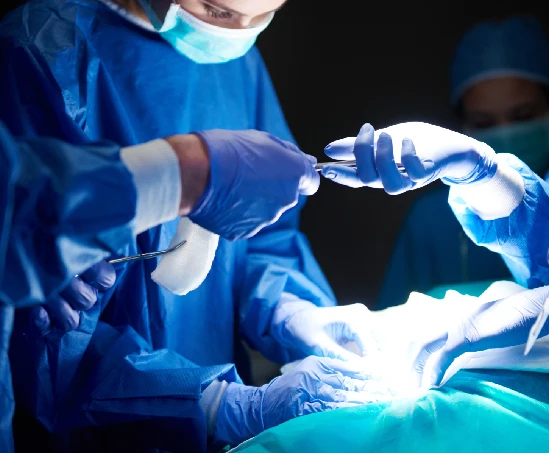
What is General & Laparoscopic Surgery?
General and laparoscopic surgery focuses on treating common surgical conditions with safe, planned, and patient-friendly care. Laparoscopic surgery uses small incisions, advanced instruments, and camera-guided precision to support faster recovery, less pain, and shorter hospital stays.
Phoenix Medical Centre offers trusted general and laparoscopic surgery care with proper diagnosis, skilled surgical support, and patient-focused recovery planning.
For hernia, gallbladder, appendix, piles, and other surgical concerns, book a consultation today for safe and timely treatment.
Meet Your Surgical Care Team
Our general and laparoscopic surgeons focus on accurate diagnosis, clear guidance, and carefully planned surgical care.
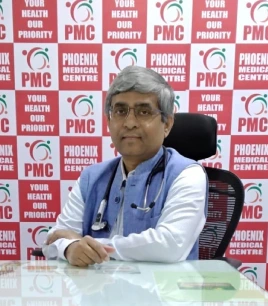
Dr. Kumar Shankar Podder
MD, DM
(Cardiology)
Availability: Tues, Thurs, Sat
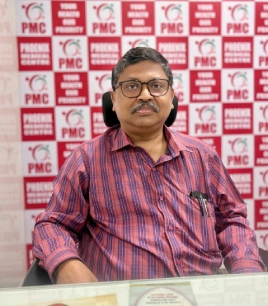
Dr. Tapan Kumar Jana
MS, FAIS, FLAGES
(Laparoscopic Surgery)
Availability: Mon, Tues, Thurs, Fri
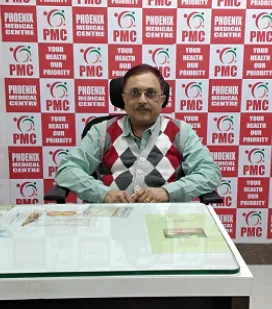
Dr. Jay Goswami
Critical Care
(Medicine)
Availability: Mon to Sat
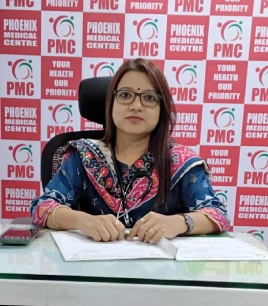
Dr. Papiya Khawas
MS
(Gyneae)
Availability: Every Day
Advanced Surgical Care for Everyday Health Concerns
From hernia and gallbladder problems to appendix and abdominal concerns, get safe surgical care with minimally invasive options for quicker healing and smoother recovery.
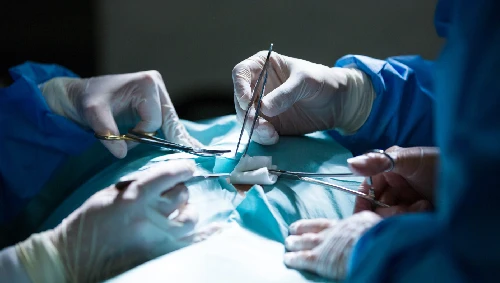
Intestinal Surgery
Surgical care for selected small intestine and large intestine problems, including blockage, infection, or growths.
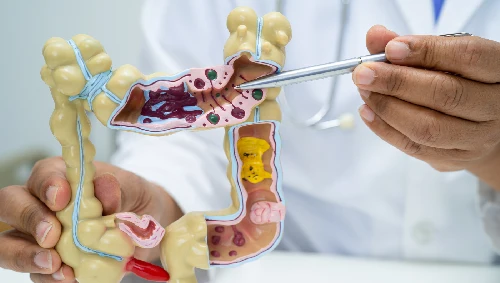
Colorectal Surgery
Treatment for colon, rectal, and anal conditions with proper diagnosis and surgical planning.
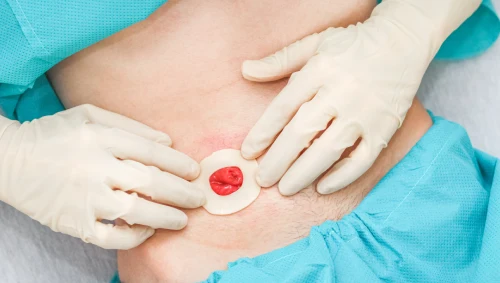
Abscess Drainage
Minor surgical treatment to drain painful pus-filled swellings and control infection safely.
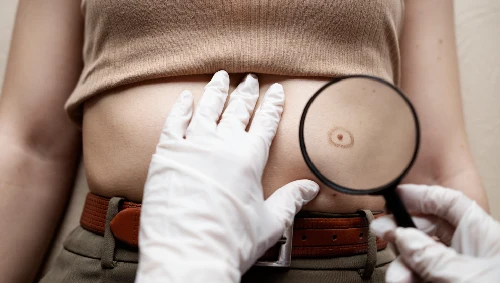
Cyst & Lipoma Removal
Removal of skin cysts, fatty lumps, and soft tissue swellings with simple surgical procedures.
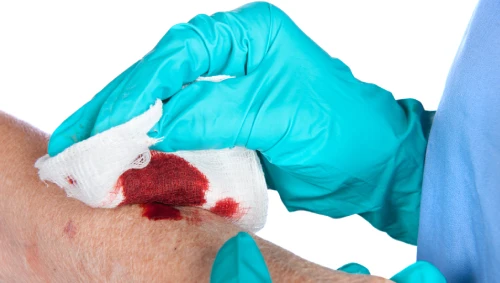
Wound & Injury Care
Surgical cleaning, dressing, suturing, and management of wounds, cuts, and injury-related complications.

Diabetic Foot Surgery
Surgical care for diabetic foot wounds, infections, ulcers, or tissue damage to prevent further complications.
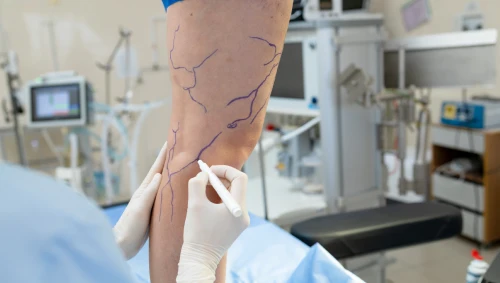
Varicose Vein Surgery
Treatment for enlarged, painful, or swollen leg veins that affect comfort, movement, and daily activity.

Emergency Surgery
Timely surgical support for sudden abdominal pain, infection, injury, appendix rupture, or other urgent conditions.
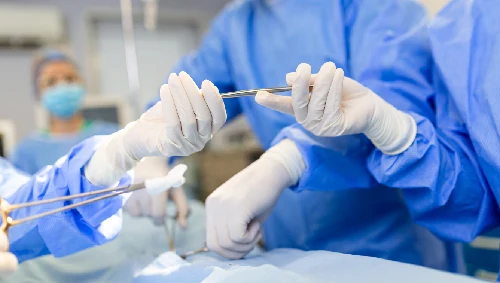
Minor Surgical Procedures
Day-care surgical care for small lumps, boils, abscesses, wounds, and other common concerns.
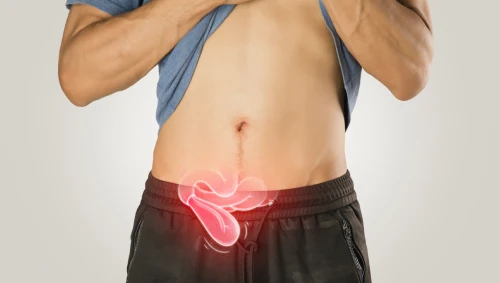
Hernia Surgery
Surgical repair for inguinal, umbilical, incisional, and other hernias to prevent pain, swelling, and complications.
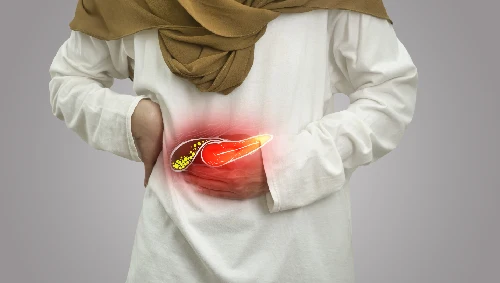
Gallbladder Stone Surgery
Laparoscopic gallbladder removal for gallstones, abdominal pain, infection, or repeated digestive discomfort.
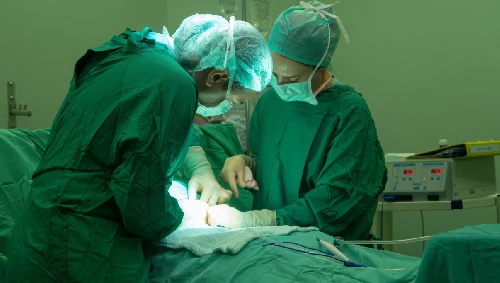
Appendix Surgery
Safe surgical treatment for appendicitis to reduce pain, infection risk, and emergency complications.
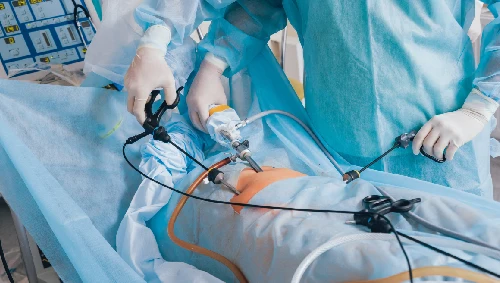
Laparoscopic Abdominal Surgery
Minimally invasive surgery for selected abdominal conditions using small cuts and camera-guided precision.

Piles Surgery
Treatment for painful, bleeding, or long-standing piles with suitable surgical care and recovery support.
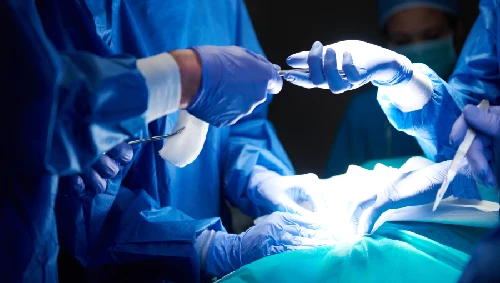
Fissure Surgery
Surgical treatment for chronic anal fissures that cause pain, bleeding, or difficulty during bowel movements.
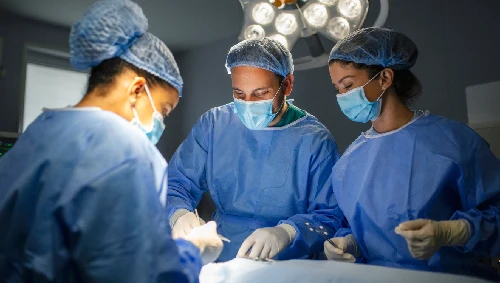
Fistula Surgery
Planned surgical care for anal fistula to treat infection, discharge, swelling, and recurring discomfort.
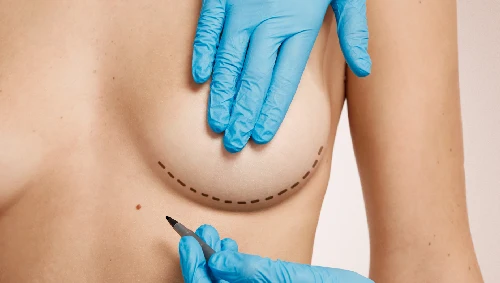
Breast Lump Surgery
Evaluation and surgical removal of breast lumps, cysts, or suspicious growths when medically advised.

Thyroid Surgery
Surgical treatment for thyroid swelling, nodules, goitre, or other thyroid-related conditions when required.
Safe Surgical Solutions, Smooth Recovery
Careful evaluation before planning any surgery
Minimally invasive laparoscopic options when suitable
Smaller cuts, less discomfort, and faster healing
Treatment for hernia, gallbladder stones, appendix, piles, and abdominal concerns
Patient-friendly guidance from diagnosis to recovery
Safe surgical care with proper follow-up support
Pre-Operative Tests for a Smooth Surgery Journey
Before general or laparoscopic surgery, doctors may recommend a few diagnostic tests to assess your fitness, identify risks, and plan the appropriate surgical approach.

Complete Blood Count

Blood Sugar Test

Liver Function Test

Kidney Function Test

Electrolyte Test

Blood Group & Rh Typing

Coagulation Profile

Urine Routine Test

ECG

Chest X-Ray

Ultrasound Abdomen

CT Scan

Viral Marker Test

Pregnancy Test

Anaesthesia Fitness Check
Your Surgical Journey, Made Clear
From first consultation to recovery, every step is planned to make surgical care safer, simpler, and less stressful for patients.
Initial Consultation
The surgeon listens to your symptoms, checks your condition, and understands your medical history.
Clinical Examination
A detailed physical examination helps identify the type, severity, and urgency of the surgical concern.
Diagnostic Testing
Blood tests, imaging, and fitness checks are advised to confirm the diagnosis and plan treatment safely.
Treatment Planning
The surgeon explains whether medicines, monitoring, open surgery, or laparoscopic surgery is the right option.
Pre-Surgery Preparation
Patients receive clear instructions about fasting, medicines, admission, and anaesthesia fitness before surgery.
Surgery Day Care
The procedure is performed with proper safety protocols, monitoring, and surgical precision.
Post-Surgery Monitoring
After surgery, the team checks pain, movement, wound condition, diet, and overall recovery.
Discharge Guidance
Patients are given instructions on medications, dressings, dietary habits, activity limits, and warning signs.
Follow-Up & Recovery Support
Regular follow-up helps track healing, remove stitches if needed, and guide a safe return to daily life.
Care Backed by Modern Facilities
We bring together modern facilities and patient-focused design to
make healthcare feel simpler, safer, and more comfortable.
Stories of Care, Trust & Recovery
Real experiences from patients who found support, healing, and confidence through our dedicated care.
Kushal Saha

"I have a very good experience with nice behaviour of all hospital stuff and very co operative.
Overall experience is good."
Shramona Bhattacharya
"I underwent an ERCP and later a gall bladder stone operation here. The concerned doctors treated me and operated very well. The in house staffs were nice and Cooperative. Me and my family is decently satisfied."
Arnab Bhattacharya
"Lisa and Piyali are sweet and vety warm, cleaning staff xcellent as no hiccups for all thr jobs they did , kudos to the support from all Drs. And accounts..
If any one needs to be admitted we highly recommend here"
Surajit Paul
"Nice Ambience. In house Staff Behaviour is friendly.
Food Qualities upto the mark.
Cleanliness is very good.
Need improvement in support staff or Cleaning staff behaviour/staff handling."
Built on Safety, Guided by Trust
We keep patients informed at every step with clear guidance, careful preparation, and transparent surgical planning.
Diagnosis explained in simple, understandable language
Surgery is advised only when it is truly needed
Pre-surgery tests are reviewed before final planning
Anaesthesia fitness was checked for a safer procedure
Risks, recovery time, and expected outcomes were discussed clearly
Laparoscopic surgery is suggested only when suitable
Sterile OT protocols followed for infection control
Continuous monitoring before, during, and after surgery
Clear cost, admission, and discharge guidance
Follow-up support for wound care and recovery checks
Book Your Visit in Minutes
Easily schedule appointments with our specialists online without any hassle.
Quick Answers for a Smoother Visit
From appointment doubts to care-related concerns, this section helps you understand the essentials before you take the next step.
Is laparoscopic surgery better than open surgery?
Laparoscopic surgery may offer smaller cuts, less pain, faster recovery, and shorter hospital stay, but the right option depends on the patient’s condition.
Which conditions can be treated with laparoscopic surgery?
Hernia, gallbladder stones, appendix problems, and selected abdominal conditions can often be treated through laparoscopic surgery.
When should someone consult a general surgeon?
You should consult a general surgeon for persistent abdominal pain, swelling, hernia, gallbladder symptoms, piles, lumps, wounds, or infection.
Are all hernias treated with laparoscopic surgery?
Not always. The surgeon decides between open and laparoscopic hernia repair after checking the size, type, symptoms, and the patient’s health.
Is gallbladder stone surgery always needed?
Surgery may be advised when gallstones cause pain, infection, vomiting, indigestion, or repeated attacks.