
Oncology Treatment
in Dumdum
Specialised Oncology Care for Every Stage
Home > Specialities > Oncology

What is Oncology & Onco Surgery?
Oncology is the branch of medicine that focuses on the diagnosis, treatment, and management of cancer. Onco surgery involves the surgical removal of cancerous tumours while preserving healthy tissues as much as possible. Together, oncology and onco surgery help patients receive timely, targeted, and comprehensive cancer care.
Get advanced oncology and oncosurgery care at Phoenix Medical Center, where expert treatment meets compassionate support. Book your consultation today.
Meet Our Cancer Care Specialists
Get to know our oncology and onco-surgical experts at Phoenix Medical Center, offering careful diagnosis, treatment planning, surgical care, and recovery guidance for cancer patients.
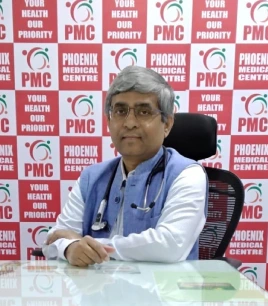
Dr. Kumar Shankar Podder
MD, DM
(Cardiology)
Availability: Tues, Thurs, Sat
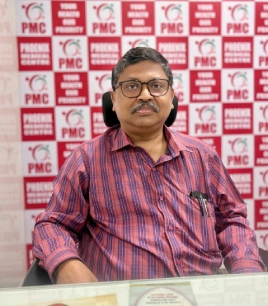
Dr. Tapan Kumar Jana
MS, FAIS, FLAGES
(Laparoscopic Surgery)
Availability: Mon, Tues, Thurs, Fri

Dr. Jay Goswami
Critical Care
(Medicine)
Availability: Mon to Sat

Dr. Papiya Khawas
MS
(Gyneae)
Availability: Every Day
Cancer Care That Starts with the Right Plan
Phoenix Medical Center offers oncology and oncosurgery services focused on early evaluation, safe treatment planning, tumour management, and guided recovery support.

Cancer Screening & Evaluation
Helps detect warning signs early through clinical assessment, reports, imaging guidance, and specialist consultation.
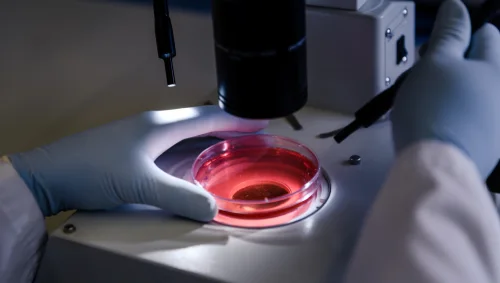
Cancer Diagnosis & Biopsy Support
Supports accurate diagnosis through biopsy planning, sample evaluation, and report-based treatment decisions.

Surgical Tumour Removal
Focuses on the safe removal of cancerous or suspicious tumours while protecting healthy tissues as much as possible.

Breast Cancer Surgery
Includes surgical care for breast lumps, breast cancer, and related conditions with proper pre- and post-surgery guidance.

Gastrointestinal Cancer Surgery
Provides surgical management for cancers affecting the stomach, colon, rectum, liver, pancreas, and digestive tract.

Head & Neck Cancer Care
Covers evaluation and surgical care for tumours in the mouth, throat, thyroid, salivary glands, and neck region.

Gynaecological Cancer Surgery
Offers surgical care for cancers affecting the uterus, cervix, ovaries, and other female reproductive organs.
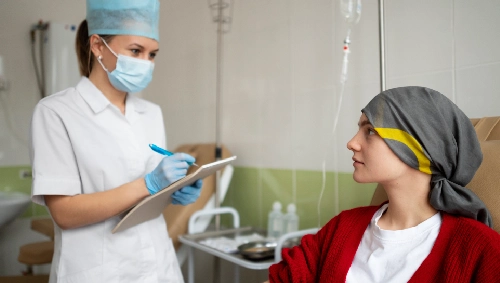
Post-Surgery Follow-Up Care
Helps patients monitor healing, manage recovery, and plan further treatment when needed.
Your Partner in Safe and Comprehensive Cancer Care
Stage-wise treatment planning so patients know what comes next after diagnosis
Surgery-focused cancer management for tumours that need safe removal or biopsy
Careful evaluation before surgery to check fitness, risks, and treatment suitability
An organ-preserving approach, wherever possible, to protect function and quality of life

Support for biopsy, imaging, reports, and specialist consultation under one care pathway
Clear communication with patients and families before major treatment decisions
Post-surgery follow-up support to monitor healing, recovery, and further treatment needs
Tests That Guide the Right Cancer Treatment Plan
Accurate diagnostic tests help doctors understand the type, location, stage, and spread of cancer before planning treatment or surgery.

Blood Tests

Tumour Marker Tests

Biopsy

FNAC Test

Histopathology

CT Scan

MRI Scan

PET-CT Scan
Ultrasound
Mammography

Endoscopy

Colonoscopy

X-Ray

Pre-Surgical Fitness Tests
Your Cancer Care Journey, Planned Step by Step
At Phoenix Medical Center, every stage of oncology and oncosurgical care is guided by clear communication, careful evaluation, and personalised treatment planning.
Initial Consultation
The journey begins with a detailed discussion of symptoms, medical history, previous reports, and present health concerns.
Diagnostic Evaluation
Doctors may suggest blood tests, imaging, biopsy, or tumour marker tests to understand the type and extent of cancer.
Case Review & Staging
Reports are reviewed carefully to identify the cancer stage, spread, and treatment direction.
Personalised Treatment Planning
A treatment plan is prepared based on the patient’s diagnosis, surgical needs, overall health, and recovery goals.
Pre-Surgical Assessment
Before surgery, fitness tests and anaesthesia evaluation help check whether the patient is ready for a safe procedure.
Onco Surgical Care
Cancer surgery is performed with a focus on tumour removal, safety, precision, and organ preservation wherever possible.
Post-Surgery Recovery
After surgery, patients receive monitoring, wound care, pain management, and recovery guidance.
Follow-Up & Further Care
Regular follow-ups help track healing, review reports, and plan chemotherapy, radiation, or other care if required.
Care Backed by Modern Facilities
We bring together modern facilities and patient-focused design to
make healthcare feel simpler, safer, and more comfortable.
Stories of Care, Trust & Recovery
Real experiences from patients who found support, healing, and confidence through our dedicated care.
Kushal Saha

"I have a very good experience with nice behaviour of all hospital stuff and very co operative.
Overall experience is good."
Shramona Bhattacharya
"I underwent an ERCP and later a gall bladder stone operation here. The concerned doctors treated me and operated very well. The in house staffs were nice and Cooperative. Me and my family is decently satisfied."
Arnab Bhattacharya
"Lisa and Piyali are sweet and vety warm, cleaning staff xcellent as no hiccups for all thr jobs they did , kudos to the support from all Drs. And accounts..
If any one needs to be admitted we highly recommend here"
Surajit Paul
"Nice Ambience. In house Staff Behaviour is friendly.
Food Qualities upto the mark.
Cleanliness is very good.
Need improvement in support staff or Cleaning staff behaviour/staff handling."
Safety-Led Cancer Treatment You Can Trust
At Phoenix Medical Center, every cancer treatment plan is guided by proper evaluation, clear communication, and patient-focused surgical safety.
Report-based treatment decisions instead of rushing into surgery without proper evaluation
Cancer staging before treatment planning to understand how far the disease has progressed
Pre-surgery risk assessment to check heart, lungs, blood parameters, and anaesthesia fitness
Clear consent discussion covering the procedure, possible risks, recovery time, and next steps
Tumour-focused surgical planning to remove the affected tissue as safely as possible
Attention to nearby organs and healthy tissues during cancer surgery
Coordinated care after surgery for biopsy reports, further treatment, and recovery guidance
Regular follow-up planning to track healing, detect concerns early, and support long-term care

Book Your Visit in Minutes
Easily schedule appointments with our specialists online without any hassle.
Quick Answers for a Smoother Visit
From appointment doubts to care-related concerns, this section helps you understand the essentials before you take the next step.
Can cancer be cured with surgery?
In some early-stage cancers, surgery may remove the tumour completely. However, many patients may also need chemotherapy, radiation, targeted therapy, or regular follow-up depending on the diagnosis.
Which tests confirm cancer?
A biopsy is commonly used to confirm cancer, in which a tissue sample is examined under a microscope. Imaging tests, blood tests, tumour markers, and scans may support diagnosis and staging.
What is cancer staging?
Cancer staging shows how large the tumour is and whether it has spread to nearby tissues, lymph nodes, or other organs. It helps doctors choose the most suitable treatment plan.
Will chemotherapy or radiation be needed after surgery?
Some patients may need chemotherapy, radiation, or other treatments after surgery to reduce recurrence risk or manage remaining cancer cells. This depends on the biopsy report and cancer stage.
Can cancer surgery be done with minimally invasive techniques?
Some cancers can be treated with laparoscopic or minimally invasive surgery, depending on tumour size, location, and patient suitability. The surgeon decides the safest approach after evaluation.